Puff Print: What It Is and How to Use It
Puff print is raised, 3D ink on a shirt or hoodie. This guide explains how it is made, what it costs, how to design for it and how to wash it, with a free cost estimator for your order.
What is puff print?
Puff print is a screen-printing method that gives a raised, soft 3D texture. The ink is regular screen-print ink (usually plastisol) mixed with a puff additive, also called a blowing agent. When the print is heated, the additive makes the ink swell and rise off the fabric.
It is not embroidery. There is no thread. The raised part is ink, and the surface feels smooth and slightly rubbery, a bit like foam. People also call it puff screen print, 3D print or raised ink. If you searched "print puff", this is the same thing.
Some print-on-demand providers now make a similar raised look with puff DTF transfers or puff embroidery. That is a different process with the same goal, so check what your provider means by "puff".
How puff print is made, step by step
- The artwork is separated by color. Each color becomes a stencil on its own screen.
- The printer prepares the screens by coating a mesh with emulsion and exposing the design onto it.
- Puff ink is mixed by adding the puff additive to the ink, following the maker instructions.
- The ink is pushed through the screen onto the garment. Puff ink usually goes down in a single pass, with a thick enough layer to rise.
- The print is cured with heat in a dryer, or with a heat gun or press on small jobs. During curing the additive expands and the ink rises.
- The shop checks the height and finish. Temperature and time matter: too low and the ink will not rise fully, too high and it can cook or collapse.
Because it needs screens and curing equipment, puff screen print is mostly done by print shops rather than at home. A heat press can be used for puff HTV vinyl, which is a different product.
Puff print vs embroidery vs screen print vs puff vinyl
| Method | Look and feel | Detail it holds | Good to know |
|---|---|---|---|
| Puff print (puff screen print) | Raised, smooth, soft rubbery ink | Low: bold shapes and big text only | Cheaper than embroidery at volume; priced per color; usually needs a print shop and a minimum |
| Embroidery (including 3D puff embroidery) | Stitched thread, textured, foam under the stitches for 3D | Medium: needs thick strokes, no tiny text | Premium look; priced by stitch count; very durable; see the embroidery mockup |
| Regular screen print | Flat ink on the fabric | Medium to high | Lowest cost per shirt in bulk; priced per color |
| Puff HTV vinyl | Raised vinyl cut shape that is heat pressed on | Low to medium: simple cut shapes | Good for small runs and names; works with a cutter and heat press; can peel if pressed badly |
| DTG or DTF | Flat or very slightly raised full-color print | High: photos and fine lines | No minimums; used by most print-on-demand |
Puff print design rules
Puff ink expands in every direction when heated. Small gaps close up, and thin lines turn soft. A good puff design is simple on purpose.
- Keep shapes bold and chunky. Think big block letters and simple logos, not fine illustration.
- Keep strokes and gaps thicker than about 3 mm (1/8 inch). This is a common rule used by print-on-demand and shop guides.
- Avoid fine lines, script fonts and tight negative space. They blur together as the ink rises.
- Avoid small text. If it is smaller than a short word at chest size, make it bigger or leave it out. Our fonts for t-shirts guide has heavy fonts that suit puff.
- Use few colors. Every color adds a screen and a setup fee, and many shops only puff one or two colors.
- Leave room around the design. Puff ink spreads a little, so keep gaps wide between letters.
- Use heavyweight cotton or fleece. Thin fabric can pucker or sag under raised ink.
- Send vector artwork if you can (SVG, AI or PDF). It gives clean edges for the screen.
How much does puff print cost?
Prices change a lot between shops, countries and quantities. These are typical ranges to help you plan, not quotes. Always ask your print shop for a written price.
| Cost item | Typical range | Notes |
|---|---|---|
| Regular screen print, one color, one location | About $1 to $4 per piece | Falls as the order grows |
| Puff upcharge | Often about $0.50 to $2 extra per piece | Some shops price puff as a full separate color |
| Screen setup | About $15 to $40 per screen | Per color; may be waived on reorders |
| Minimum order | Often 12 to 48 pieces per design | Some shops ask for more for puff |
| Print on demand with a puff option | Priced per item, usually no minimum | Higher cost per piece; ask your provider what puff means for that product |
Use the estimator below to see your cost per piece and your order total. The numbers in it are only examples. Replace them with your own quote, then use the t-shirt business guide or the costing sheet calculator to set your selling price.
Many screen print shops start at 12 to 48 pieces per design.
Heavyweight tees and hoodies cost more than basic blanks.
One color, one location, before the puff upcharge.
Extra per piece for puff ink. Ask your shop.
Each color needs its own screen.
Some shops waive it on reorders.
Your puff print estimate
Cost per finished piece
$11.52
| Garment + print + puff, each | $11.00 |
| Screen setup, total | $25.00 |
| Order total (48 pieces) | $553.00 |
This is an estimate with example numbers, not a quote. Shipping, tax, extra locations and rush fees are not included. Get a written quote from your print shop.
Puff print hoodies and shirts
Streetwear brands like puff print because it makes a simple design look premium. A single bold word in raised ink on a heavy hoodie feels more expensive than the same word in flat ink, and customers can feel the difference. That is why puff print hoodies and puff print shirts show up often in drops and limited runs.
Heavy blanks work best. A midweight or heavyweight tee (about 6 oz or more) and a thick fleece hoodie hold the raised ink well. Put puff on a flat area, such as the chest, back or sleeve. Avoid seams, zips and pockets, which make the print uneven. Common choices are a left-chest logo, a centered chest word or a big back graphic.
Before you order a run, preview the garment and placement with the t-shirt mockup or the hoodie mockup. A mockup shows layout, not the raised effect, so it does not replace a sample from the shop.
Washing and care for puff print
- Turn the garment inside out before washing.
- Wash cold with a mild detergent and a gentle cycle.
- Dry on low heat or hang to dry. High heat can flatten or crack the ink.
- Do not iron on the print. If you must iron, do it inside out and keep the iron off the raised area.
- Do not use bleach, and do not dry clean unless the label says it is allowed.
- Add these steps on a care label or a card in the package. It cuts returns.
Can you do puff print on print on demand?
It depends on the provider. Classic puff screen print needs screens, so it is usually a print-shop service with minimums. Some print-on-demand providers offer a raised look another way, such as puff DTF transfers or puff embroidery on selected products. Printify, for example, has described its puff option as a transfer method that needs no minimum order.
Ask any provider three things: what exact process they use for "puff", which products and blanks it is available on, and the artwork limits (minimum stroke, maximum size, number of colors). Order a sample before you list the product.
What puff print looks like
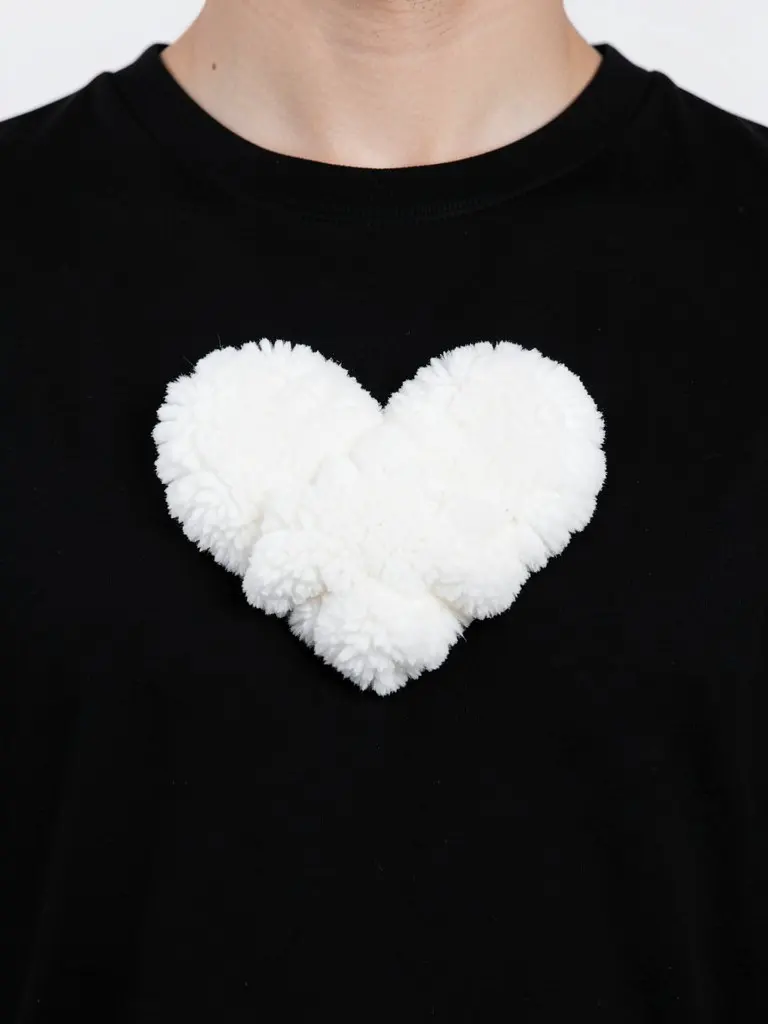
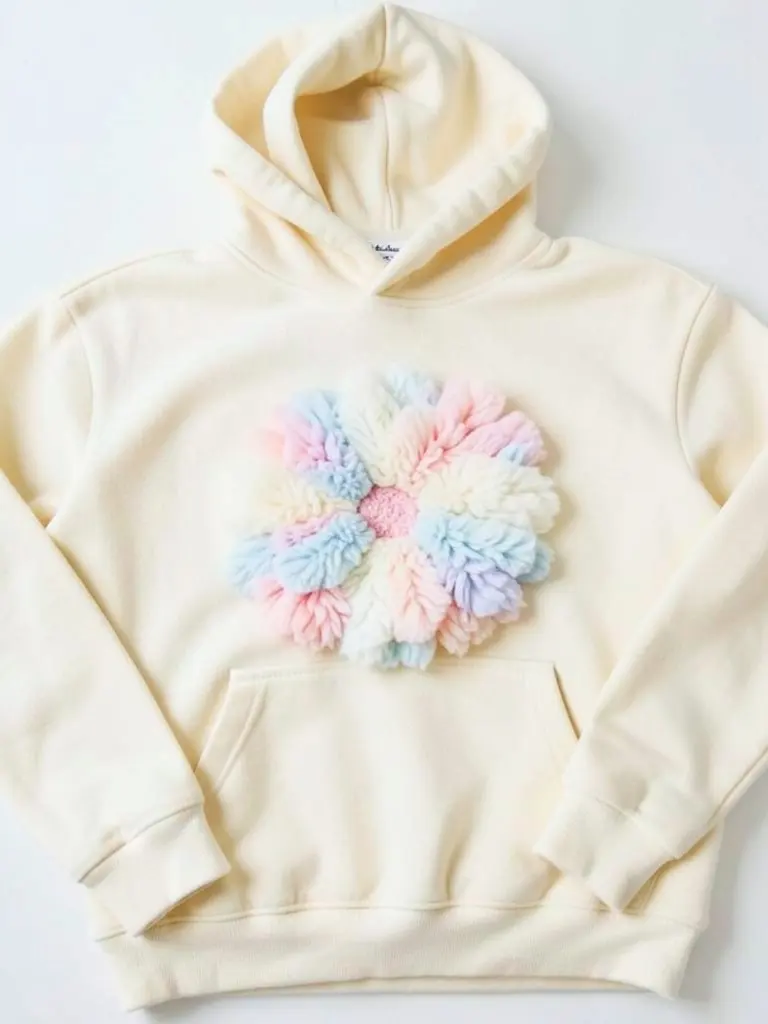
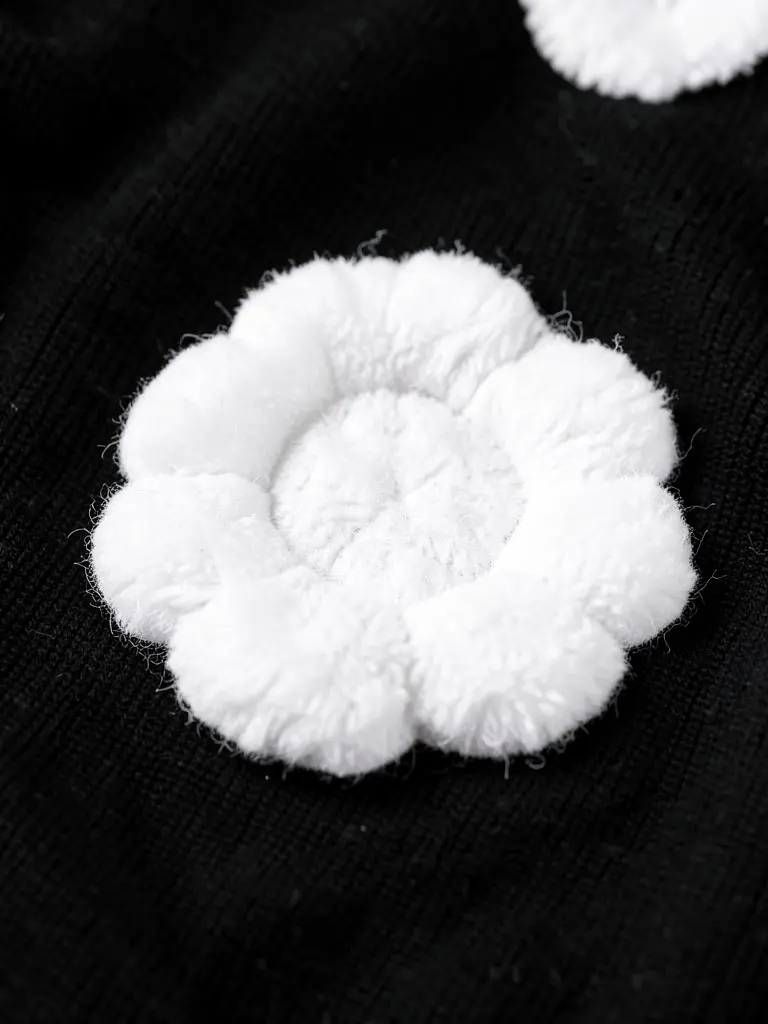
Puff print is a raised, soft-edged print. It is easiest to judge up close: look for rounded edges, a thick surface and clear shapes. Simple bold shapes work best on a chest or hoodie.
These example photos are AI-generated with our own model, as illustrations of the raised effect. They show a chest print, a hoodie print and a close-up of the texture.
FAQ
What is puff print?
Puff print is a screen-printing method where a puff additive in the ink makes the print swell and rise when it is heated. The result is a raised, 3D, slightly rubbery texture on a shirt, hoodie or cap.
Is puff print the same as embroidery?
No. Puff print uses ink and has no thread. Embroidery is stitched thread. 3D puff embroidery is a type of embroidery with foam under the stitches, so it looks raised but is still thread.
Does puff print last through washing?
Done well, it lasts for many washes if you wash it inside out in cold water and dry on low heat or hang to dry. Heat from a hot dryer or an iron is the main thing that damages it.
What is the thinnest line or smallest text for puff print?
A common rule is strokes and gaps thicker than about 3 mm (1/8 inch), and no small text. Ask your print shop for its own minimum before you finalize artwork.
Can puff print have more than one color?
Yes, but each color needs its own screen, which raises the cost, and some shops only puff one or two colors. Many brands use one puff color and keep the rest of the design flat.
How much does a puff print hoodie cost to make?
It varies a lot. The blank, the print and the puff upcharge all count, and screen setup is added once per color. Use the estimator on this page with your shop quote. Heavy hoodie blanks usually cost more than tees.
Which designs suit puff print?
Bold, simple shapes with thick lines work best. Fine detail and thin text tend to fill in as the ink rises, so keep shapes large and spaced apart.
More free tools for clothing sellers
Sources
- Printify: what is puff print and how POD sellers use raised 3D designs
- Ricoma: what is a puff print?
Costs, minimums and design limits are typical ranges and vary by print shop and country. Ask for a written quote and a sample.
Apparel and merch mockups
Show your print or logo on blank apparel, hats, bags and tags before you make it.
- Apparel Mockup
- T-Shirt Mockup
- Front and Back T-Shirt Mockup
- Black T-Shirt Mockup
- White T-Shirt Mockup
- Tank Top Mockup
- Polo Shirt Mockup
- Sports Jersey Mockup
- Hoodie Mockup
- Black Hoodie Mockup
- Print on Demand Hoodie Mockup
- Sweatshirt Mockup
- Sweater Mockup
- Jacket Mockup
- Sweatpants Mockup
- Shorts Mockup
- Hat Mockup
- Cap Mockup
- Trucker Hat Mockup
- Bucket Hat Mockup
- Beanie Mockup
- Scarf Mockup
- Sock Mockup
- Apron Mockup
- Tote Bag Mockup
- Canvas Bag Mockup
- Shopping Bag Mockup
- Clothing Tag Mockup
- Embroidery Mockup
- Sticker Mockup
- T-Shirt Template
- Fonts for T-Shirts