How to Start a Print on Demand Business
Print on demand (POD) lets you sell your own t-shirts, hoodies and hats without buying stock. A provider prints each item after a customer orders and ships it for you. This guide covers the steps for a clothing POD shop, the real costs, and a free box to check your profit per order.
Updated November 2026
Check your profit per order
Pick a product, then change the example numbers to your provider's price list and your platform's fees. The box shows what you keep and the lowest price that still breaks even.
What the print provider charges for the blank + print.
Charged by the provider per order.
Put 0 if you offer free shipping.
Etsy: 6.5% transaction + about 3% payment = 9.5%. Shopify Payments: about 2.9%.
Etsy: $0.20 listing + about $0.25 payment fee. Shopify: about $0.30.
Leave 0 if you only sell organically.
Profit per order
$5.14
Margin 18.4%
| Buyer pays | $28.00 |
| Platform and payment fees | -$3.11 |
| Provider, shipping and ads | -$19.75 |
| Lowest price to break even | $22.32 |
Example numbers only. Check your provider’s current price list and your platform’s fee page. Taxes, refunds and reprints are not included.
How print on demand works
- You upload a design and place it on a blank product (a tee, hoodie, tote) in your provider's app.
- The provider makes a listing in your store or marketplace, with mockup photos.
- A customer buys at your price. Your store sends the order to the provider automatically.
- The provider charges you the base cost plus shipping, prints the item and ships it in plain or branded packaging.
- You keep the difference, minus platform and payment fees.
You never hold stock, so a new design costs nothing to test. The trade-off is a lower margin per item than bulk printing and less control over print quality and delivery times.
How to start a print on demand clothing business in 9 steps
- Choose a niche: a group with a shared hobby, job, place, fandom you have rights to, or sense of humor. Narrow niches beat "funny shirts for everyone".
- Check demand before you design. Search your niche on Etsy and look at how many reviews the top listings have, and which phrases they use in titles.
- Make 10 to 20 designs. Use only art, fonts and text you own or have a commercial license for. Brand names, team logos and characters need permission.
- Order samples from 2 providers. Wash them twice and compare print sharpness, color, the shirt weight and how the fit compares with the size chart.
- Pick your blanks and stick to 1 or 2 shirt brands, so your size chart stays the same across designs.
- Price each product with the profit box above. Many POD sellers aim for $6 to $12 profit on a tee and more on hoodies.
- Set up your store: Etsy for built-in search traffic, Shopify or Woo for your own brand, or both. Connect your provider.
- Make product photos that show the shirt on a person, plus a flat or mockup shot and a size chart image.
- Launch, then keep the designs that sell and drop the rest. Add new designs every week.
Print on demand providers for clothing compared
These are the providers clothing sellers mention most. Prices and products change often, so check each site before you choose.
| Provider | How it works | Good for | Watch out for |
|---|---|---|---|
| Printful | Own print centers, one fixed price list | Consistent quality, embroidery, branded packing | Higher base costs than marketplaces |
| Printify | Marketplace of many print partners | Lower base costs, wide product range | Quality and speed vary by print partner |
| Gelato | Local production network in many countries | Selling to buyers in many countries | Fewer apparel brands per product |
| Gooten / SPOD / others | Smaller networks or own factories | Specific products or fast US printing | Fewer integrations; test samples first |
DTG, DTF or embroidery?
| Method | Looks like | Best for |
|---|---|---|
| DTG (direct to garment) | Soft, ink in the fabric, full color | Photo-style or many-color designs on cotton |
| DTF (direct to film) | A thin transfer on top, bright colors | Polyester blends, dark shirts, sharp edges |
| Embroidery | Raised stitched thread | Small logos on hats, hoodies and polos |
| All-over print (sublimation) | Design covers the whole garment | Polyester tees, leggings, swimwear |
Most POD tees are DTG. If you want a raised look, read our guide to puff print first.
How much does it cost to start?
You can start for less than $100. Typical start-up costs are samples ($20 to $60), an Etsy listing fee of $0.20 per listing or a Shopify plan (about $39 a month on Basic), and design tools or fonts with a commercial license.
The big cost is per order: the base price and shipping from the provider. A plain tee often costs $9 to $15 to print, plus about $4 to $5 to ship in the US. That is why POD prices are usually $22 to $30 for a tee.
Product photos that sell POD clothing
Every seller using the same provider gets the same stock mockups, so your listings look like everyone else's. Buyers want to see the shirt on a person who looks like them, in a real setting, and how it fits.
You can make on-model photos without a photoshoot: upload your design or mockup to an AI clothing model generator and get photos of different models, sizes and backgrounds. Keep the design exactly the same as the printed product, so the photo stays honest.
Common print on demand mistakes
- Pricing too low: fees, ads and refunds can take your whole profit on a $19.99 tee.
- Using trademarked text, logos or characters. Etsy and Amazon remove these listings and can close your shop.
- Never ordering a sample, so you find out about faded prints from bad reviews.
- Mixing many shirt brands, so sizes change from design to design and returns go up.
- Only using the provider's default mockups.
- Promising fast shipping. POD orders often take 2 to 5 days to make before they ship.
What print on demand products look like
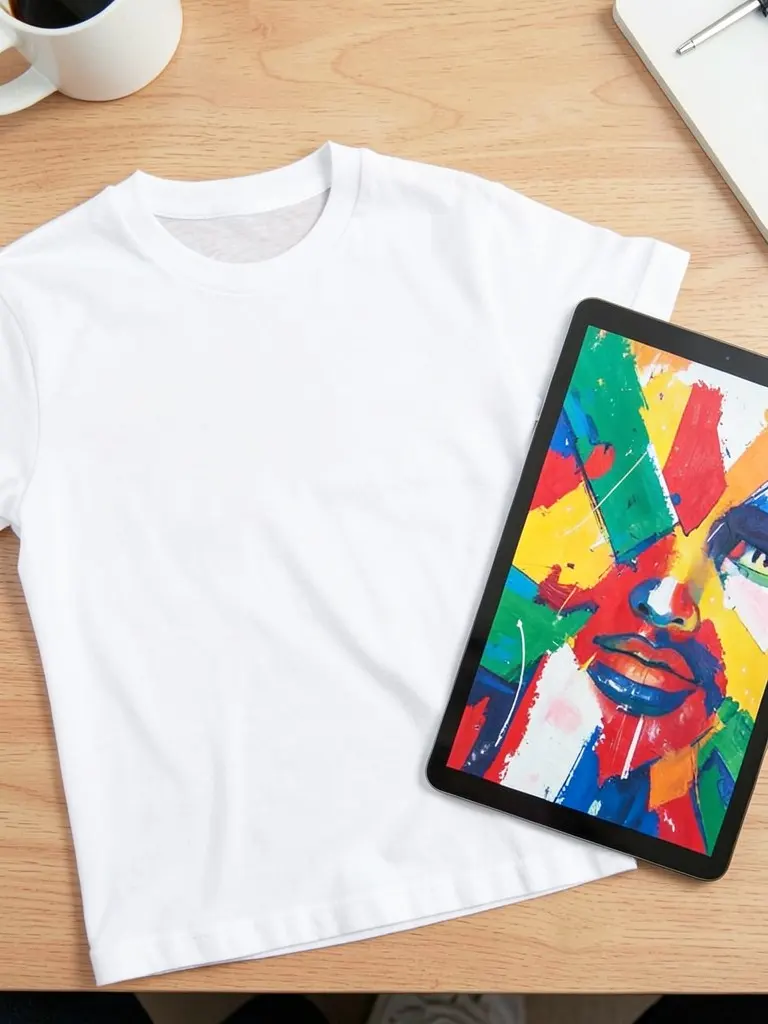
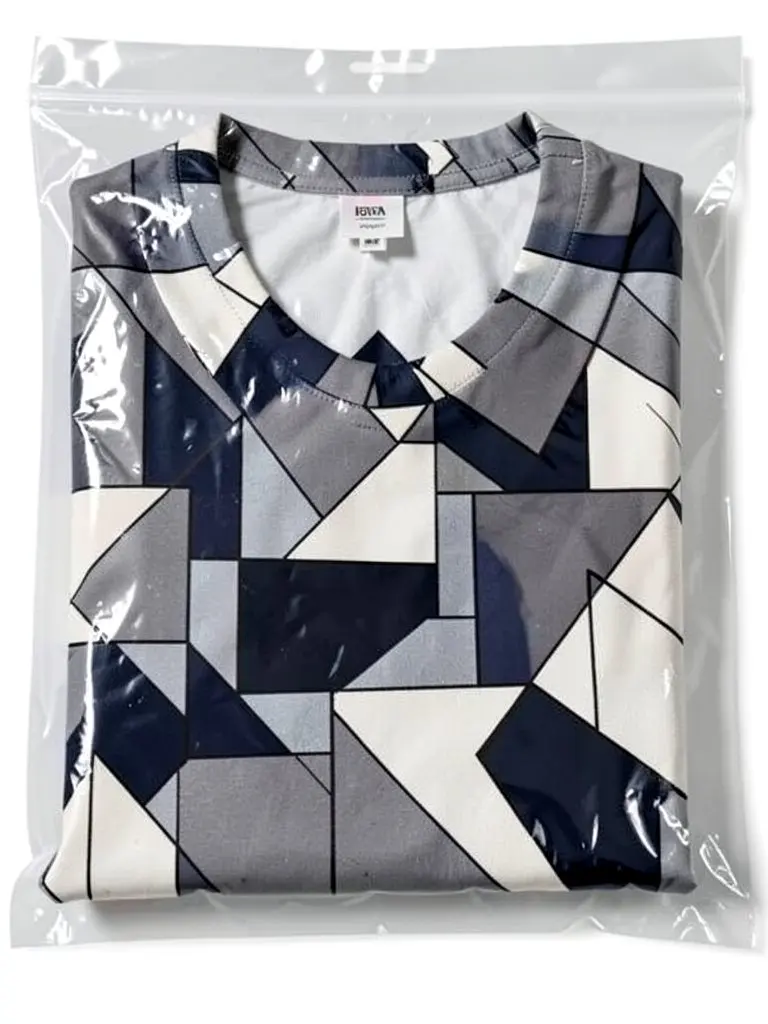
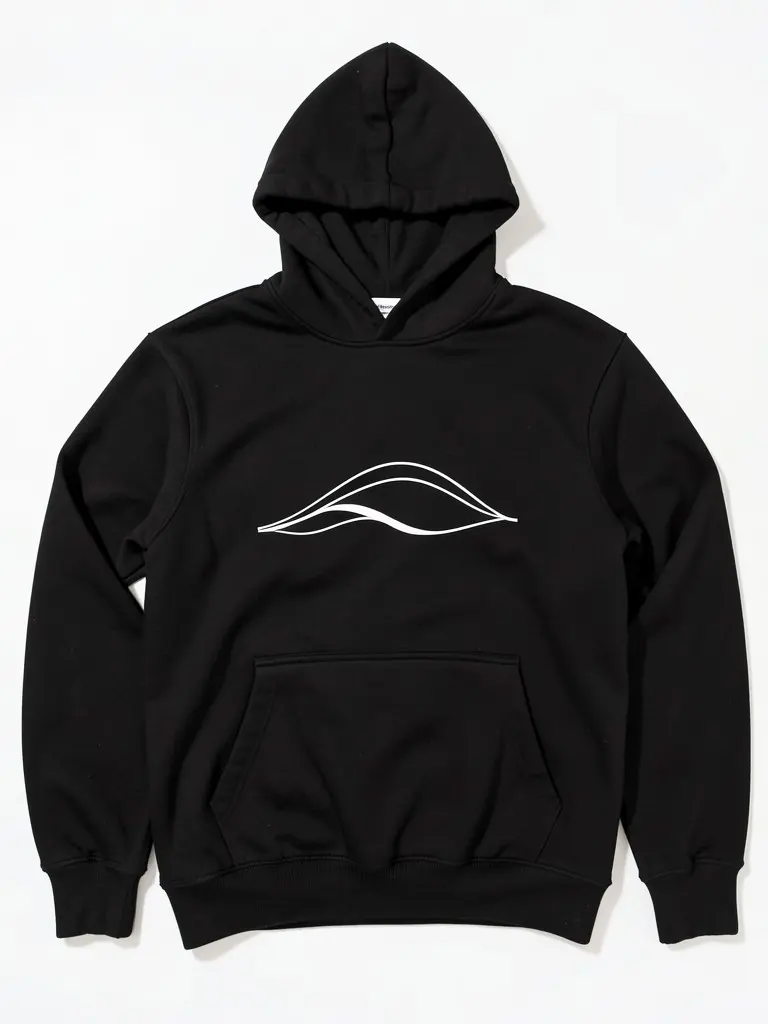
Print on demand means a supplier prints each order after it sells, so you hold no stock. Most shops start with blank tees and hoodies, and the product photo is a mockup or a sample photo of the printed item.
These example photos are AI-generated with our own model. They show a blank tee next to artwork, a printed tee in a poly mailer and a hoodie with a simple printed shape.
FAQ
Is print on demand still profitable in 2026?
It can be, if you price for at least $6 to $12 profit per tee, pick a clear niche and make listings that stand out. It is not profitable for generic designs sold at the lowest price.
How much money do I need to start a print on demand business?
Often under $100: a few samples, listing fees or a store plan, and licensed fonts or art. You pay the provider only after a customer orders.
Do I need a business license for print on demand?
It depends on where you live. In many places you can start as a sole trader, but you may need to register and collect sales tax. Check your local rules.
Which is better for print on demand, Etsy or Shopify?
Etsy brings search traffic but charges per listing and per sale. Shopify gives you your own brand and lower fees but you must bring the traffic. Many sellers start on Etsy and add Shopify later.
What sells best on print on demand?
T-shirts and hoodies are the biggest sellers, followed by sweatshirts, hats and tote bags. Designs for a narrow group (a job, hobby, place or family event) usually sell better than broad jokes.
How is print on demand different from starting a t-shirt business with bulk printing?
With bulk screen printing you buy stock up front for a lower cost per shirt and more control. With POD you pay more per shirt but carry no stock and no risk on unsold designs.
Do I need to hold stock for print on demand?
No. The print partner makes and ships each order after the customer pays, so you hold no stock. You still order a sample first to check the print and fabric quality.
More free tools for clothing sellers
Sources
Prices are examples from public price pages in late 2026 and change often.
Start and run a clothing brand
Plan the line, name the brand, write the tech pack and line sheet, and price each piece.
- What Is a Clothing Line
- Start a Clothing Business from Home
- How to Start a T-Shirt Business
- Turn a Design into a Product
- Clothing Business Ideas
- Clothing Business Plan Generator
- Clothing Brand Name Generator
- Clothing Brand Slogan Generator
- Clothing Brand Description Generator
- Tech Pack Generator
- Garment Spec Sheet Generator
- Line Sheet Generator
- Clothing Costing Sheet Calculator
- Custom T-Shirt Pricing Calculator